
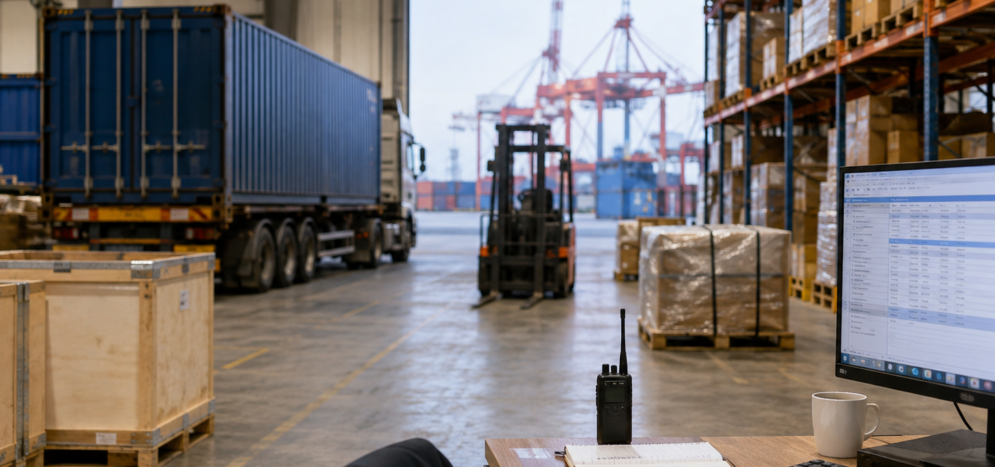
Logistics is often described in terms of ships, aircraft, trucks, warehouses and technology. Behind all of these are the people responsible for keeping goods moving. Drivers, warehouse teams, planners, customs specialists and operations coordinators all play a role in the shipment journey. As supply chains become more connected, their work is changing too.
Logistics remains a people business
The strongest logistics plans begin with a clear understanding of the requirement. What is moving, when is it needed, what could affect the journey, and which parties need to be ready? Looking at these questions early helps avoid decisions that solve one part of the shipment while creating a problem somewhere else. This is especially important when several providers are involved. A transport booking may be confirmed, but the movement can still be disrupted if documentation, warehouse capacity or final delivery arrangements are not aligned.
Technology is changing the work, not removing the need for people
Supply chains rarely operate under perfect conditions. Schedules change, demand moves, capacity tightens and additional information may be required at short notice. A practical logistics operation therefore needs enough flexibility to respond without losing control of cost or service. Early visibility makes that response easier. When teams know what has changed and understand the likely impact, they can adjust plans before a small issue becomes a larger disruption.
Better information supports better decisions
Information has become an essential part of logistics execution. Businesses need more than a series of status messages. They need information that helps them understand whether the shipment remains on plan and whether anyone needs to take action. The value of visibility is therefore not the amount of data available. It is the ability to use that information to make better operational decisions.
Communication is an operational skill
Good logistics depends on the quality of the handovers between different stages. Transportation, warehousing, customs, handling and final delivery may be provided by different organizations, but the customer experiences them as one journey. Clear responsibilities, realistic timing and timely communication reduce uncertainty at these handover points and help keep the overall movement on track.
Technology should make work simpler
The most effective approach is to look at logistics as a connected process rather than a collection of individual transactions. Cost remains important, but so do reliability, timing, operational impact and the ability to respond when circumstances change. Regular review also matters. Recurring delays, repeated document issues or unnecessary handling can reveal where the process needs to be improved.
How 9DX Logistics Approaches It
9DX Logistics sees people, technology and coordination as parts of the same process. Systems provide visibility, experienced teams provide judgement, and good coordination turns information into action. The objective is straightforward: make the movement easier to manage, keep the relevant parties aligned and give the customer greater confidence from origin to destination.
Talk to 9DX Logistics
Speak with 9DX Logistics about your transportation, warehousing, customs, delivery and wider supply chain requirements.