
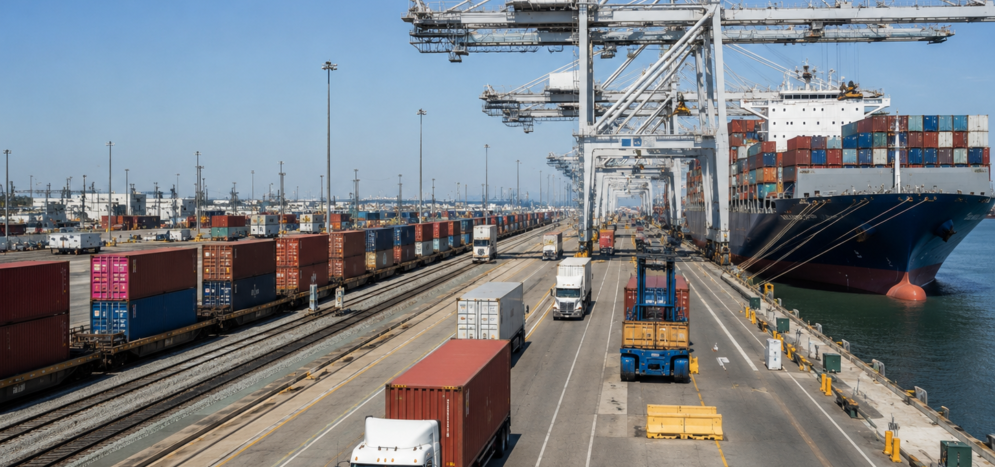
Transportation is one of the most important parts of any supply chain, but choosing the right transport option is not always as simple as comparing rates. Cost matters, but so do delivery time, cargo type, shipment size, destination, reliability and what happens before and after the main journey. For some shipments, ocean freight makes the most commercial sense. Others may require air freight because timing is critical. Regional movements may depend largely on road transport, while more complex supply chains often use a combination of transport modes. The right solution is therefore not necessarily the fastest or the cheapest. It is the one that best fits the needs of the shipment and the business behind it.
Ocean Freight: When Cost and Volume Matter
Ocean freight remains an important option for international trade, particularly when businesses are moving larger volumes and have sufficient lead time. It can offer a more economical way to move goods internationally, but the actual journey involves more than the vessel itself. Cargo needs to reach the port. Documentation must be prepared. Shipping schedules need to be coordinated. Customs requirements have to be addressed. Once the cargo arrives, onward transportation and possibly warehousing need to be ready. This is where planning becomes important. A competitive ocean freight rate provides limited value if poor coordination at either end results in delays, storage charges or missed delivery commitments. The complete journey needs to be considered.
Air Freight: When Time Matters
Air freight is generally used when speed and predictability are more important than transportation cost alone. It can be suitable for urgent shipments, high-value goods, critical components, product launches or inventory shortages where waiting for ocean freight could have a greater commercial impact. However, choosing air freight does not automatically guarantee a smooth delivery. The shipment still needs to reach the airport, meet documentation and security requirements, clear customs at destination and continue to its final delivery point. When timing is critical, these connections become even more important. Saving time in the air has little benefit if the cargo then waits unnecessarily at another stage of the journey.
Land Transport Connects the Supply Chain
Road and other forms of land transport often provide the connections that make the wider supply chain work. They connect factories to ports, airports to warehouses, distribution centres to customers and one transport mode to another. For regional and domestic distribution, land transport may also form the majority of the shipment journey. Good land transport planning involves more than arranging a vehicle. Collection times, loading requirements, route planning, receiving hours and delivery appointments all need to be considered. For cross-border movements, documentation and customs requirements can add another layer of coordination. Because land transport often connects several other logistics activities, delays at this stage can affect the wider shipment plan.
Sometimes the Best Solution Uses More Than One Transport Mode
Not every shipment fits neatly into a single transportation category. A shipment may travel by truck from a factory to a port, continue by ocean freight to another country, move into a warehouse and then be delivered by road to the customer.
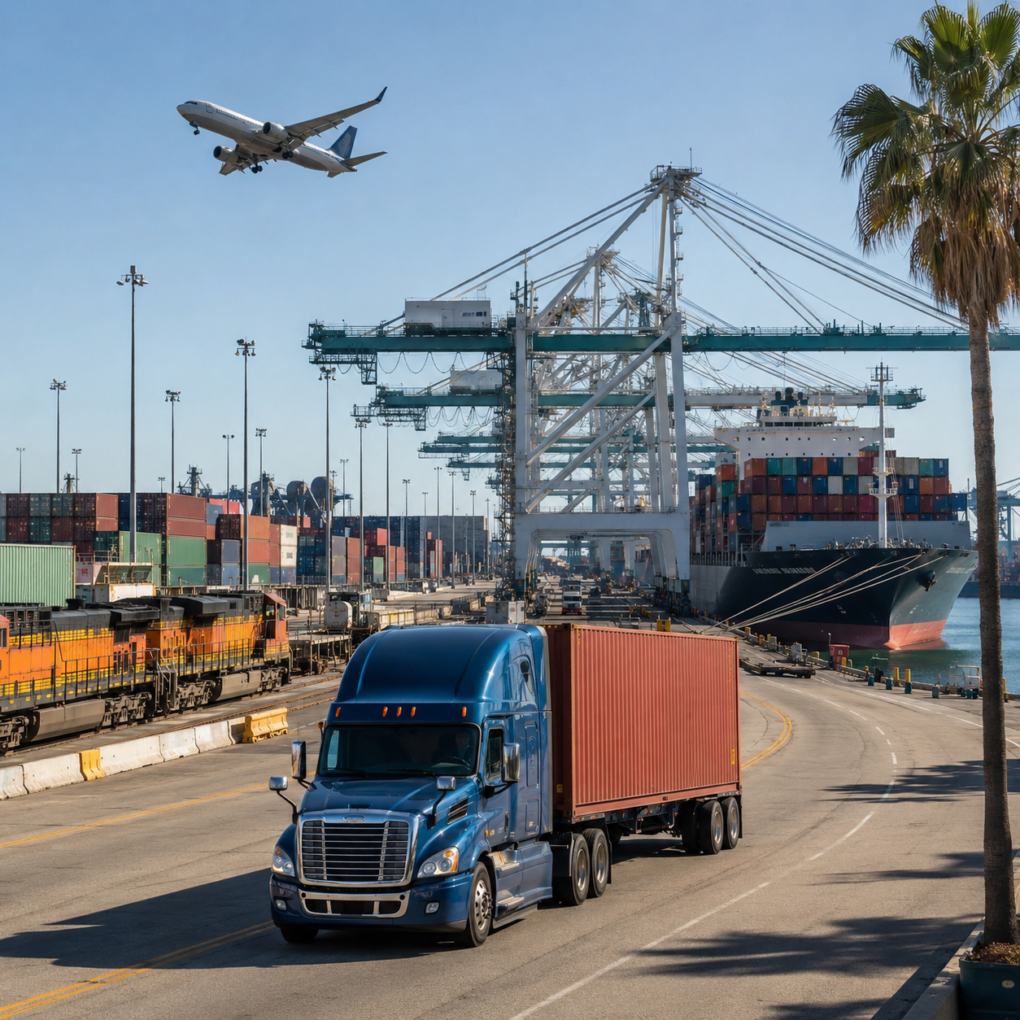
Other shipments may combine ocean and air freight to balance cost and speed. This is commonly referred to as multimodal transportation. The advantage is flexibility. Businesses can select different transport modes for different parts of the journey based on cost, urgency and operational requirements. The challenge is coordination. Every transition between transport modes creates another handover. Timing, documentation and responsibilities need to remain aligned so that the shipment continues moving without unnecessary delays.
Look Beyond the Freight Rate
Price will always be an important consideration when selecting transportation services. However, the lowest quoted freight rate does not always produce the lowest overall logistics cost. A transport option that appears cheaper may involve a longer route, additional handling, inconvenient arrival times or higher storage and downstream delivery costs. There may also be commercial consequences if unreliable transportation results in stock shortages or missed customer commitments. A better comparison considers the total impact of the transport decision. That includes the freight cost, but also transit time, reliability, handling requirements, warehousing implications, customs arrangements and final delivery. The objective should be to find the most commercially sensible solution for the complete journey.
Plan for What Happens When Things Change
Even a well-planned shipment can encounter disruption. Weather can affect schedules. Ports and airports can become congested. Transport capacity may change. Customs authorities may request additional information. A customer may change a delivery requirement at short notice. Good transportation planning therefore needs some flexibility. When something changes, the important question is not simply what happened. It is what should happen next.
- Can the delivery schedule be adjusted?
- Does another provider need to be informed?
- Should the cargo be temporarily stored?
- Is there an alternative route?
- Does the customer need to make changes at the receiving end?
The earlier these questions are addressed, the easier it is to reduce the impact of disruption.
Coordination Makes the Difference
Transportation is rarely an isolated activity. It is connected to warehousing, customs clearance, inventory planning and final delivery. That means a successful shipment depends not only on selecting the right carrier or transport mode, but also on coordinating everything around it. For example, there is little benefit in cargo arriving early if the warehouse cannot receive it. Similarly, completing customs clearance quickly does not help if onward transportation has not been arranged. Each stage needs to support the next. This is why transportation planning works best when the entire shipment journey is considered from the beginning.
How 9DX Logistics Approaches Transportation
At 9DX Logistics, we look at transportation as part of the wider supply chain rather than as a standalone booking. Depending on the shipment, this may involve ocean freight, air freight, land transport or a combination of transport modes. Our role is to understand what the customer needs to move, where it needs to go, when it needs to arrive and what needs to happen along the way. From there, transportation can be coordinated with the other requirements surrounding the shipment, including warehousing, customs and downstream delivery. The objective is practical: find the right way to move the cargo and make sure the different stages of the journey work together.
Finding the Right Balance
There is no single transportation solution that works for every shipment. Some businesses need the lowest practical transportation cost. Others need speed. Some require flexibility because demand changes frequently. Others place greater importance on predictable delivery schedules. The right solution often comes from balancing these requirements rather than optimizing for just one of them. Good transportation planning considers the complete journey, the commercial priorities of the business and the potential risks along the way.
Because ultimately, moving cargo is not simply about getting from point A to point B. It is about getting it there in a way that makes sense for the business.
Planning a shipment?
Speak with 9DX Logistics about your ocean, air, land or multimodal transportation requirements.